
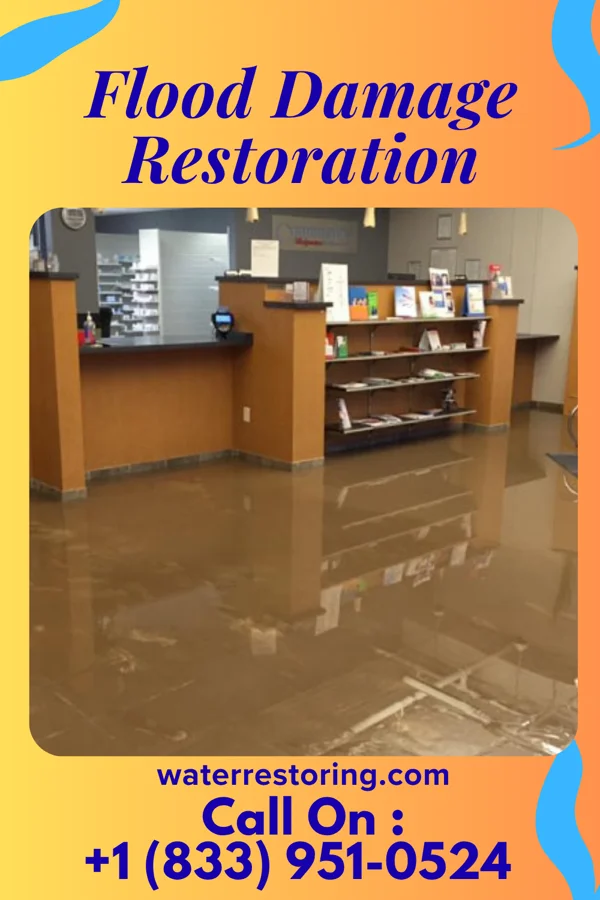
Why Flooding Hits Gloucester City Hard
The pattern in Gloucester City is consistent. Gloucester City, New Jersey, is prone to flooding due to its proximity to the Hackensack River and the surrounding wetlands, which can lead to significant water intrusion during heavy rainfall or storm events. Additionally, the city's low-lying areas and aging infrastructure increase the risk of localized flooding, particularly in neighborhoods near Audubon Park and Brooklawn. drives most of the emergency restoration calls we get.
The region experiences a humid continental climate with frequent heavy rainstorms, especially during the late spring and early fall. These conditions, combined with the city's topography, contribute to recurring flood risks that require prompt restoration services.
The region experiences a humid continental climate with frequent heavy rainstorms, especially during the late spring and early fall. These conditions, combined with the city's topography, contribute to recurring flood risks that require prompt restoration services. The dominant local driver is Gloucester City, New Jersey, is prone to flooding due to its proximity to the Hackensack River and the surrounding wetlands, which can lead to significant water intrusion during heavy rainfall or storm events. Additionally, the city's low-lying areas and aging infrastructure increase the risk of localized flooding, particularly in neighborhoods near Audubon Park and Brooklawn.. We specialize in restoring properties affected by Category 1, 2, 3, and 4 water damage, including clean water from leaks, grey water from appliances, and black water from sewage backups, which are common in Gloucester City.
For public guidance on the health effects of mold after prolonged water exposure, see the EPA mold and health page.